- Empty cart.
- Continue Shopping

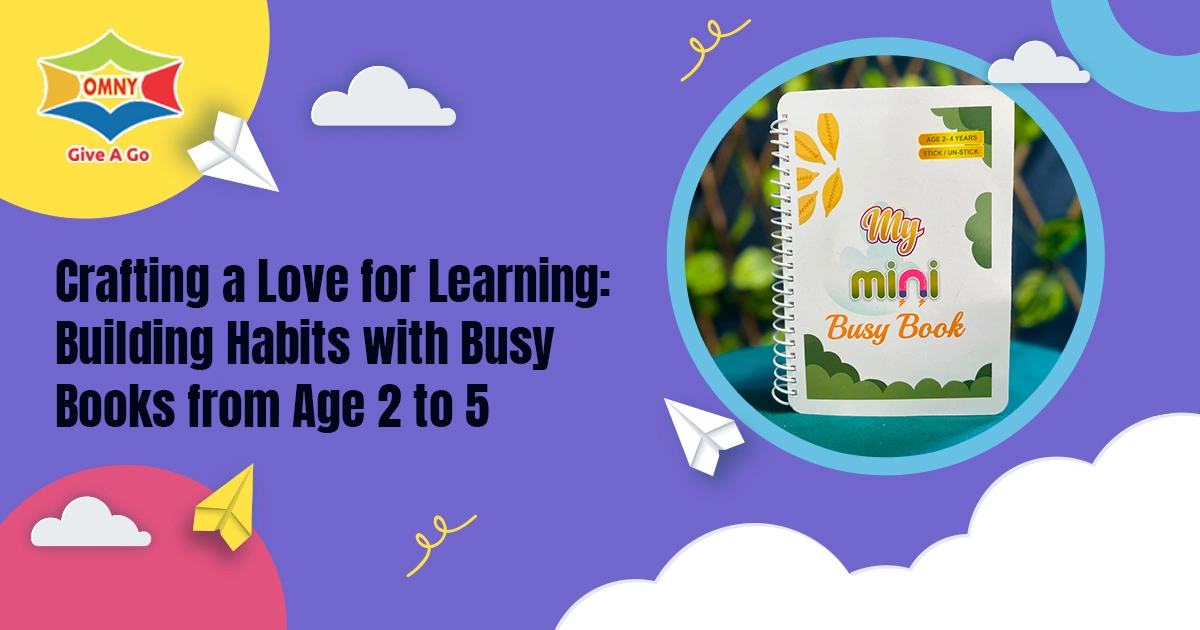
Crafting a Love for Learning: Building Habits with Busy Books from Age 2 to 5
Children absorb the world rapidly in their early years. Between ages 2 and 5, their brains are like sponges—eager to explore, learn, and experiment. Parents who nurture these natural instincts early often see long-term benefits in focus, curiosity, and problem-solving. One powerful tool to guide this journey is the busy book for toddlers—an engaging, hands-on way to make learning fun.
Why Early Learning Habits Matter Between Ages 2 and 5
The window from age two to five is critical for laying the foundation of lifelong learning. During this stage:
- Cognitive development accelerates.
- Language skills grow rapidly.
- Curiosity peaks, and children learn best through hands-on exploration.
Introducing structured yet playful learning routines with tools like activity books for kids helps them develop patience, focus, and a love for discovery.
What Are Busy Books for Toddlers?
Busy books—also called quiet books or activity books—are interactive, hand-crafted or designed books filled with activities. They typically include:
- Velcro pieces, zippers, buttons, and puzzles.
- Pages that encourage matching, sorting, or counting.
- Themed sections that teach colors, shapes, numbers, and letters.
Unlike traditional books, interactive busy books allow children to touch, play, and solve—turning reading time into an active learning session.
The Role of Learning Through Play Books in Early Development
Learning through play books aren’t just entertainment—they are structured learning tools disguised as play. Research shows children retain concepts more effectively when they engage multiple senses. Busy books provide:
- Kinesthetic learning: Hands-on actions reinforce memory.
- Repetition: Regular practice builds confidence.
- Imagination: Story-based activities expand creativity.
This blend of play and structured tasks helps toddlers form stronger connections between concepts and actions.
How Interactive Busy Books Boost Skill-Building
Cognitive and Problem-Solving Skills
Each activity—whether matching shapes, solving a puzzle, or sequencing numbers—encourages critical thinking. Toddlers learn trial and error, logical reasoning, and persistence.
Fine Motor Development
Zipping, buttoning, or lacing activities strengthen hand-eye coordination and finger muscles, preparing kids for writing and self-care tasks like dressing.
Emotional and Social Growth
Finishing a page in a busy book gives children a sense of achievement. When shared with parents or siblings, it encourages collaboration, patience, and communication.
Choosing the Right Activity Books for Kids
Not all activity books for kids are the same. When selecting a busy book:
- Age-appropriateness: Ensure challenges match developmental stage.
- Safety: Use child-safe, durable materials.
- Themes: Pick books aligned with your child’s interests—animals, vehicles, or nature.
- Educational value: Look for books covering numbers, letters, shapes, and real-life skills.
Tip: Parents visiting your site can explore Busy Books for Kids to find curated options for ages 2–7.
Practical Ways Parents Can Build Daily Learning Habits
Building habits doesn’t require rigid schedules. Instead:
- Set aside 15–20 minutes daily for busy book activities.
- Pair play with routines like bedtime, quiet afternoons, or travel.
- Encourage independent exploration but join occasionally to guide.
- Rotate books or activities to keep engagement fresh.
By blending learning seamlessly into routines, parents make education a joyful, expected part of life.
Age-Wise Recommendations: Busy Books for Ages 2 to 5
- Age 2–3: Start with simple matching games, shape recognition, and color sorting.
- Age 3–4: Introduce counting, sequencing, and beginner puzzles.
- Age 4–5: Move to storytelling prompts, early literacy activities, and practical life skills like lacing shoes or telling time.
Each stage should feel achievable yet challenging enough to spark curiosity. Explore our Interactive Busy Book Collection for tailored options across age groups.
Conclusion: Nurturing Lifelong Learners Through Play
By integrating busy books for toddlers into daily routines, parents build more than skills—they spark a passion for learning that lasts. These learning through play books connect joy with knowledge, helping children grow confident, curious, and capable. From colors at age two to problem-solving at age five, busy books lay stepping stones toward a lifetime of discovery.



Information

Copyright © Omny traders 2023. All Right Reserved. Designed By Prince Infotech.